
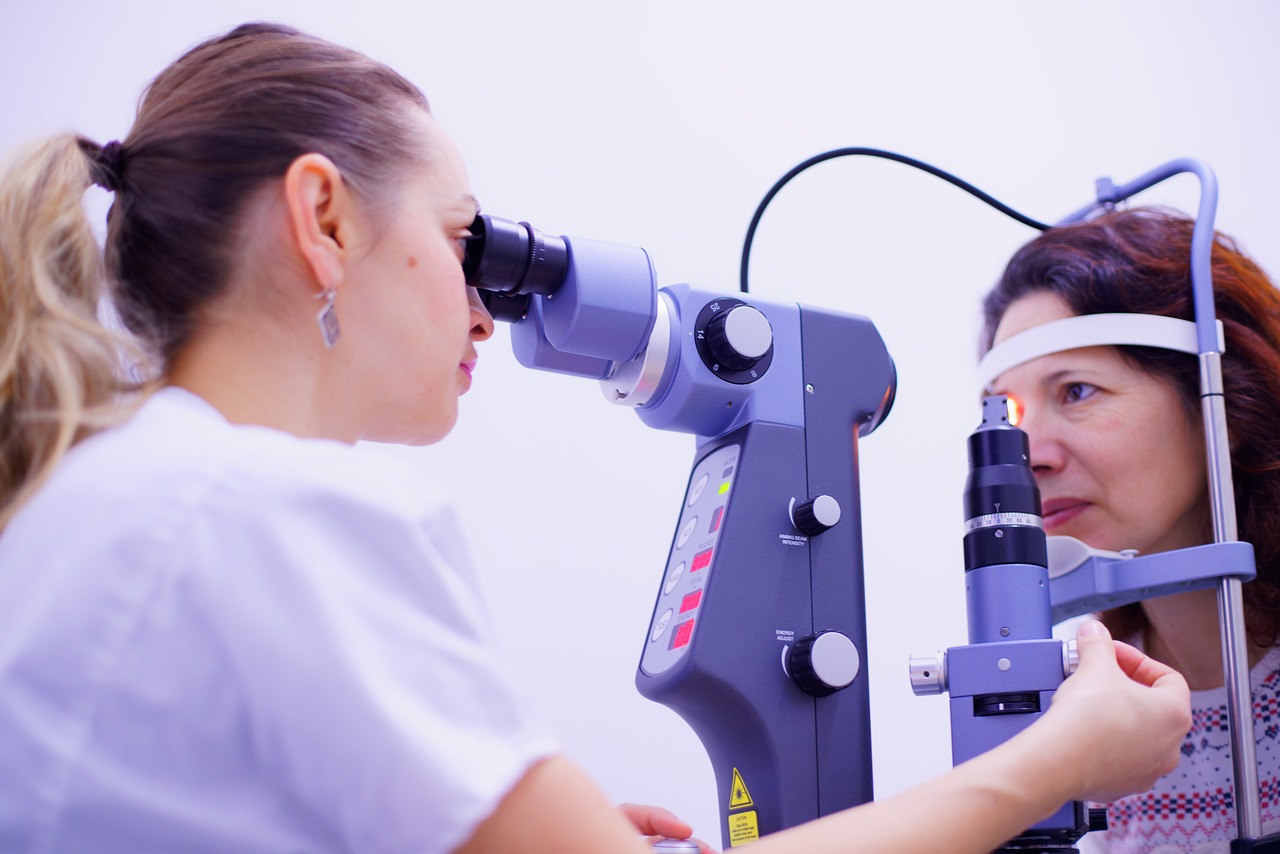
- Age-related macular degeneration (ARMD) is a common eye condition that primarily affects individuals over the age of 50
Age-related macular degeneration (ARMD) is a common eye disease that affects the central vision, especially in older people. It occurs when the macula, the part of the retina that is responsible for sharp and detailed vision, gets damaged by aging or other factors. There are two types of ARMD: dry and wet. Dry ARMD is more common and progresses slowly, while wet ARMD is less common but more serious and causes faster vision loss. Some symptoms of ARMD include blurry or distorted central vision, difficulty seeing in low light, and loss of color brightness. ARMD can be diagnosed by an eye exam that includes looking at an Amsler grid, examining the retina with a special lens, and taking images of the retina with optical coherence tomography (OCT) or fluorescein angiography. There is no cure for ARMD, but some treatments can help slow down the progression of the disease or improve vision. These include dietary supplements, injections, laser therapy, and surgery.
In summary, regular eye condition check-ups are crucial for individuals with age‑related macular degeneration to monitor disease progression, make appropriate treatment adjustments, detect complications, and identify any other vision‑related issues. They contribute to the preservation of vision and the overall management of ARMD.